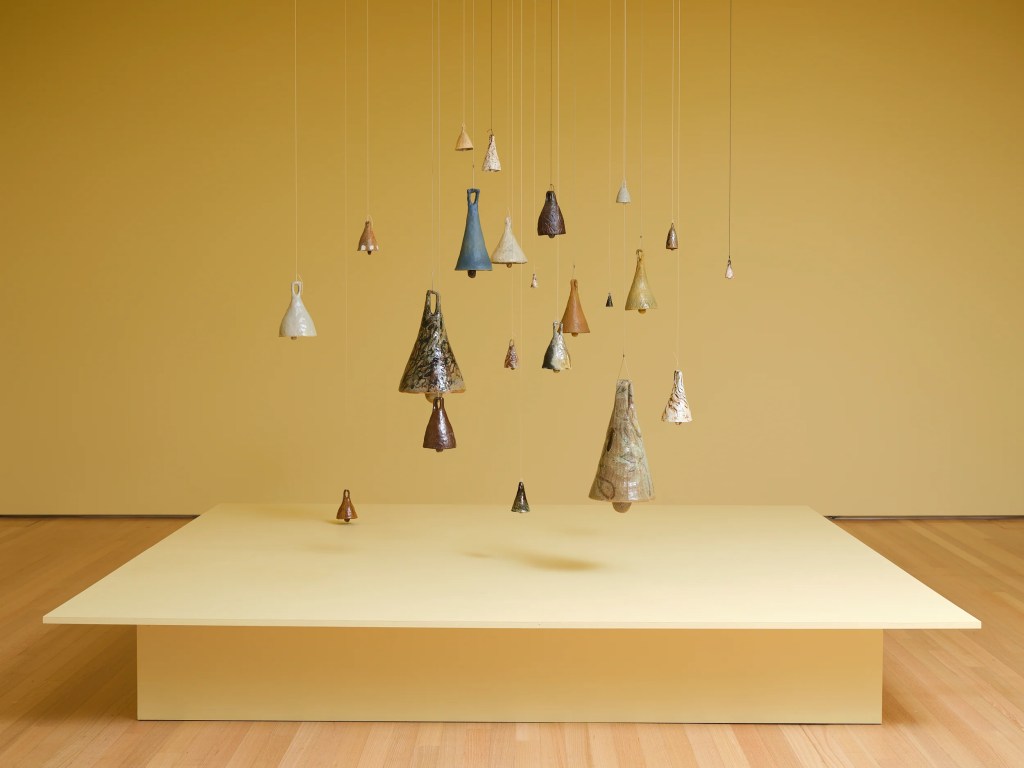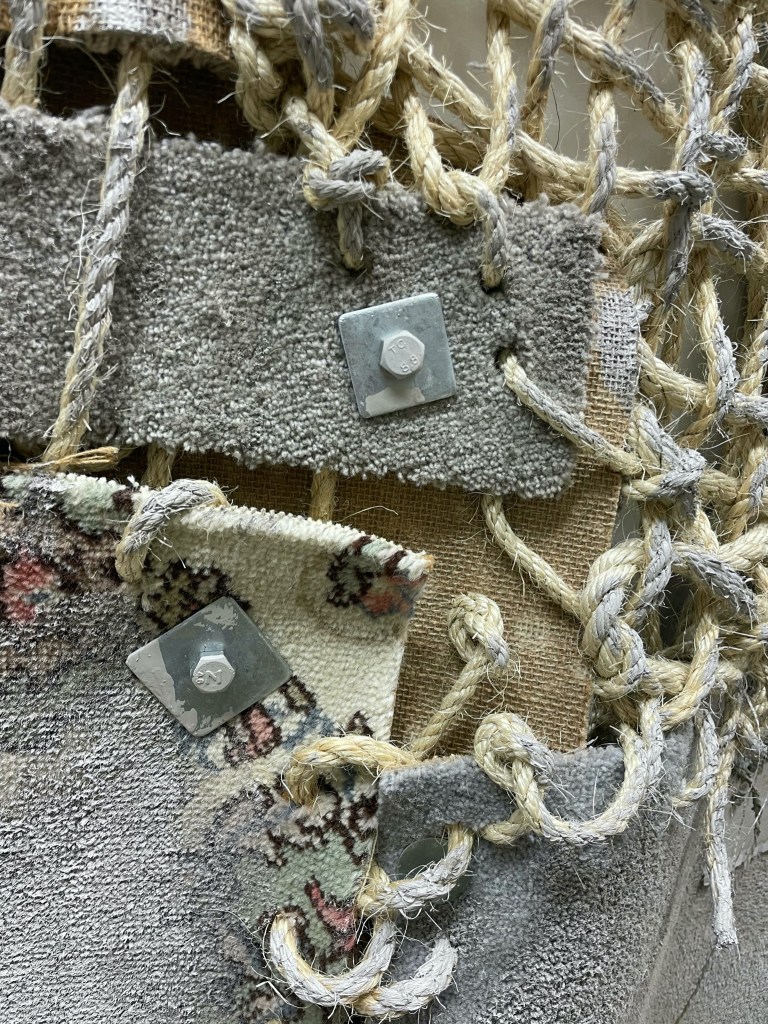
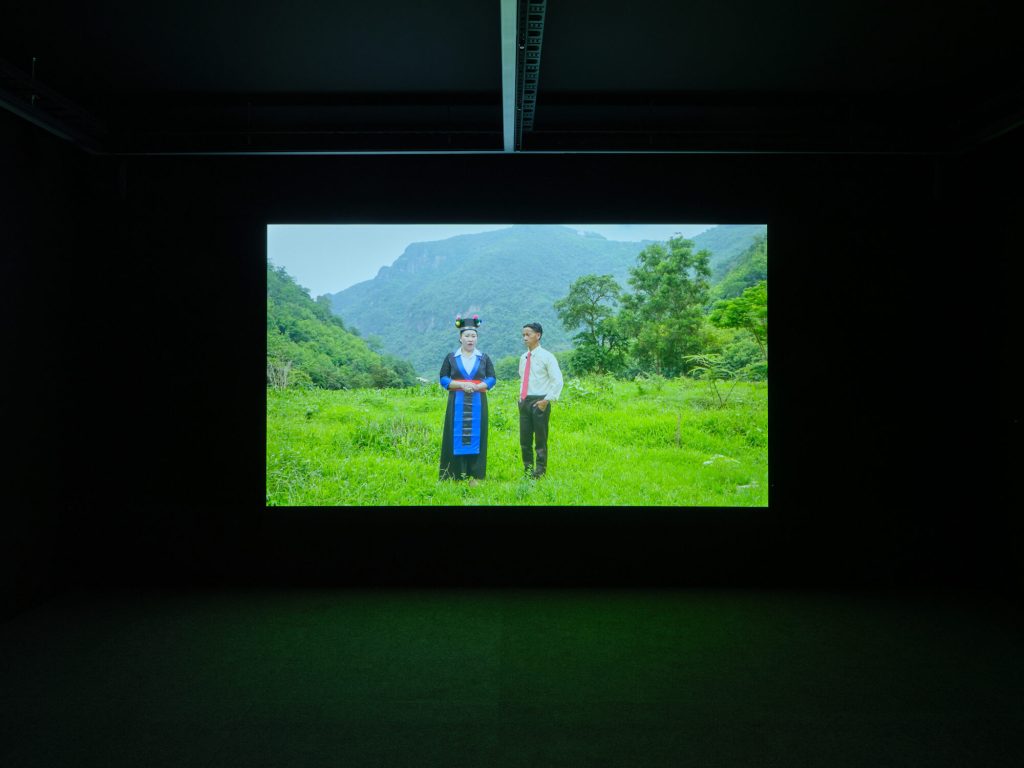
Kwv Txhiaj (pronounced kue-chee-ah) refers to Hmong song poetry. It is a Hmong oral tradition and a storytelling technology. Originally performed in pairs as a call-and-response, it takes an extemporaneous form. Rooted in ancient courtship rites, this song poetry is also performed for occasions such as commemoration, healing, and moral teaching within the community. At times, audiences may even suggest themes for the song poetry. This improvisational nature inevitably carries a sense of uniqueness. The duration of a performance is variable and can last for hours depending on the will of the song poet who initiates it.
Throughout modern and contemporary history, kwv txhiaj has been appropriated multiple times. Following the immeasurable loss of Hmong males conscripted to resist communism in Vietnam during the Cold War, a thriving kwv txhiaj audio cassette industry emerged among survivors in the mid-1980s. In the 1990s, a travel documentary VHS industry appeared, offering guided tours of the teb chaw (pronounced tay-chaw which translated as land-place) to Hmong diasporas traveling to Laos. Her remembers these VHS tours playing in her family’s living room in St. Paul, Minnesota. Between the narrated collages of sacred and secular landscapes, kwv txhiaj flowed as a soundtrack.
Passing through the isolation of the pandemic, this song poetry began to be performed even more actively within the Hmong community-especially among the younger generation-through social media platforms by rappers and classical voice practitioners. Near the end of the pandemic, the sudden death of Her’s spouse gave kwv txhiaj a different meaning for her.
In this way, Kwv Txhiaj touches upon Pao Houa Her’s sense of eternal community, a land that can never be permanently reconnected, and people with whom a meeting cannot be promised. In the video, the performers continue their response without facing each other. The sporadic glitches that appear throughout the video further imply the loss and invisibility of certain entities. The combination of melodic lines, mono-syllabic words, and individual breaths creates a tonal play that conveys a singular musical emotion, reaching even those who do not speak Hmong.